Address
304 North Cardinal St.
Dorchester Center, MA 02124
Work Hours
Monday to Friday: 7AM - 7PM
Weekend: 10AM - 5PM

Most AI video demos online fall into one of two categories:
I was interested in something else.
As an instructional designer and leader, I wanted to explore whether emerging AI video tools could support something more grounded and useful: emotionally engaging storytelling for learning, communication, and workplace scenarios.
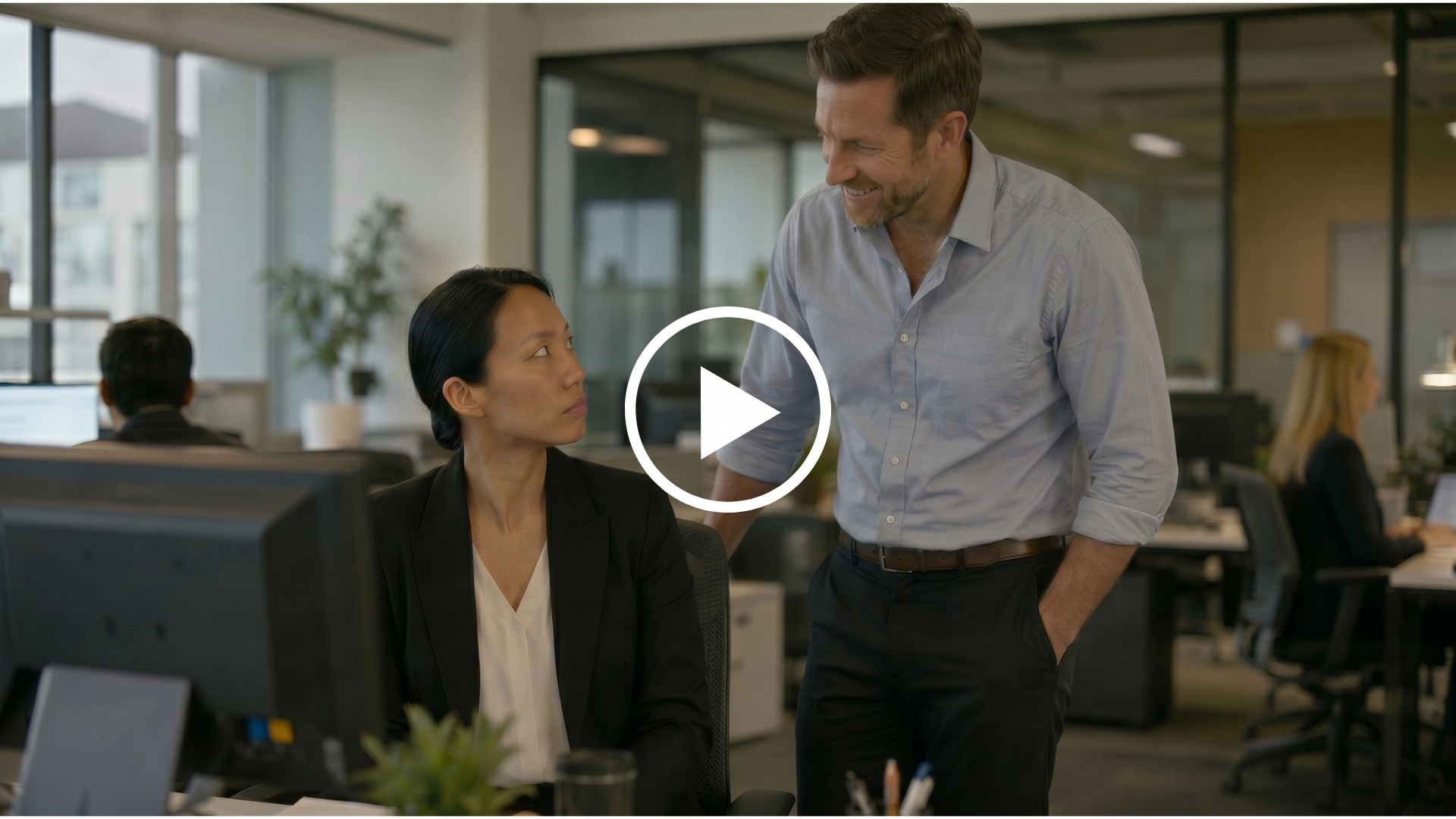
Creating visually impressive AI clips is relatively easy now. Creating consistency is not, and creating believable dialogue is even harder. This project became an exploration of several challenges at once:
The biggest takeaway from this project is that successful AI-assisted storytelling still depends heavily on human creative direction. In many ways, the role shifts from “content creator” to something closer to creative director, editor, cinematographer, systems orchestrator, and, occasionally, AI babysitter.
I also learned that subtlety matters more than spectacle. The moments that worked best weren’t flashy ones. They were the quieter moments:
Ironically, the more human the project tried to feel, the more discipline the workflow required.
I don’t believe AI replaces instructional design, storytelling, or enablement strategy. If anything, this project reinforced how important those skills still are. What these tools do support is faster and more flexible creation of scenario-based learning, onboarding simulations, leadership communication, compliance storytelling, role-play training, customer interaction simulations, and rapid concept prototyping.
There are still real limitations. The tools are imperfect, and the workflows can be messy. But the potential is hard to ignore.